
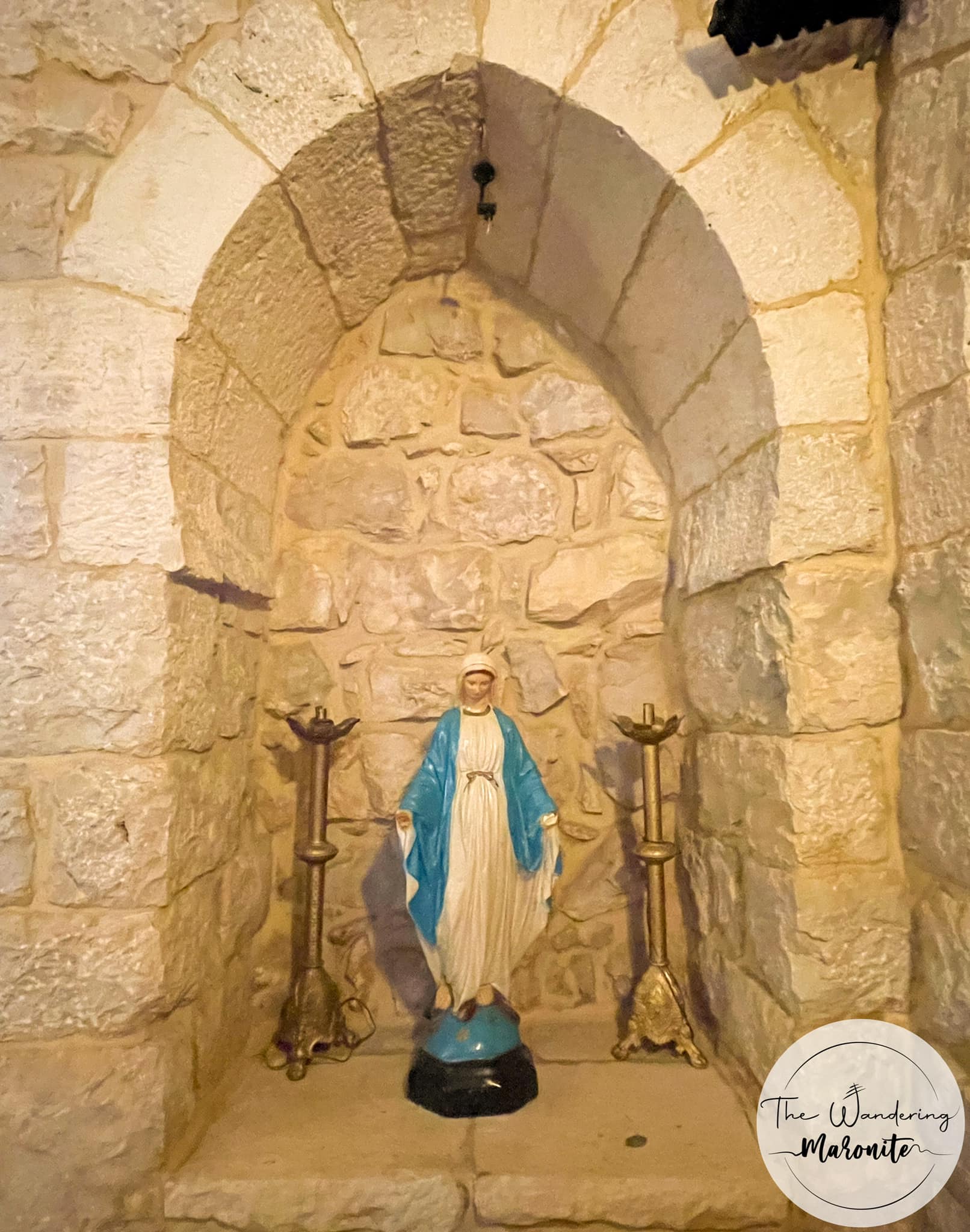
Sahel Alma – The Monastery of the Annunciation Baqloush

Notre Dame de l'Annonciation, Sahel Aalma, Lebanon

Other Details

دير سيّدة البشارة بقلوش

Sahel Aalma

Keserwan

Mount Lebanon

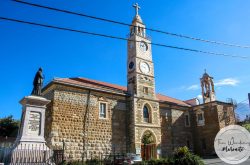
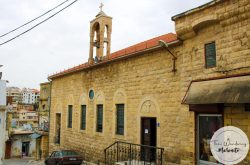
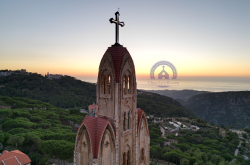
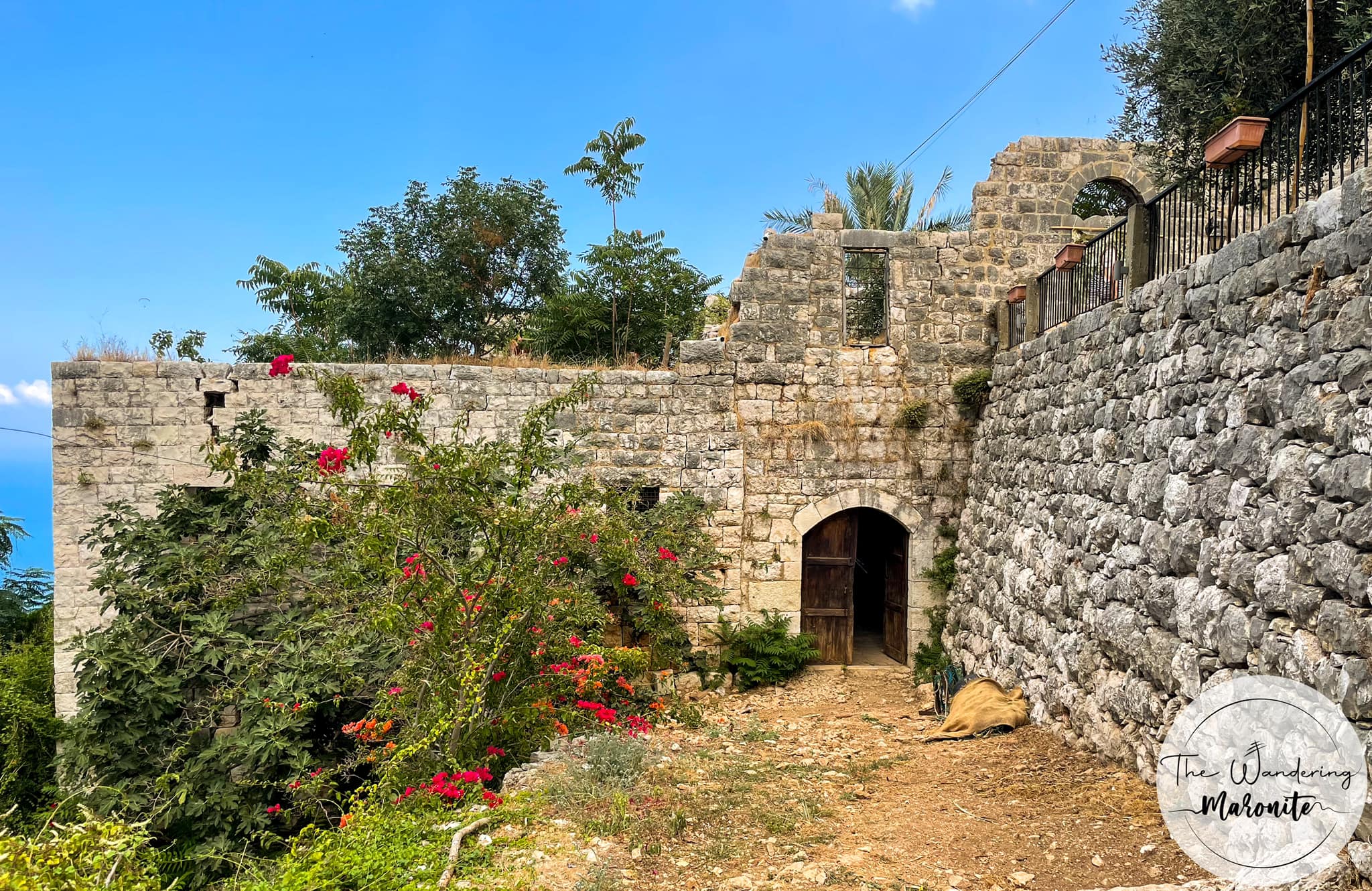
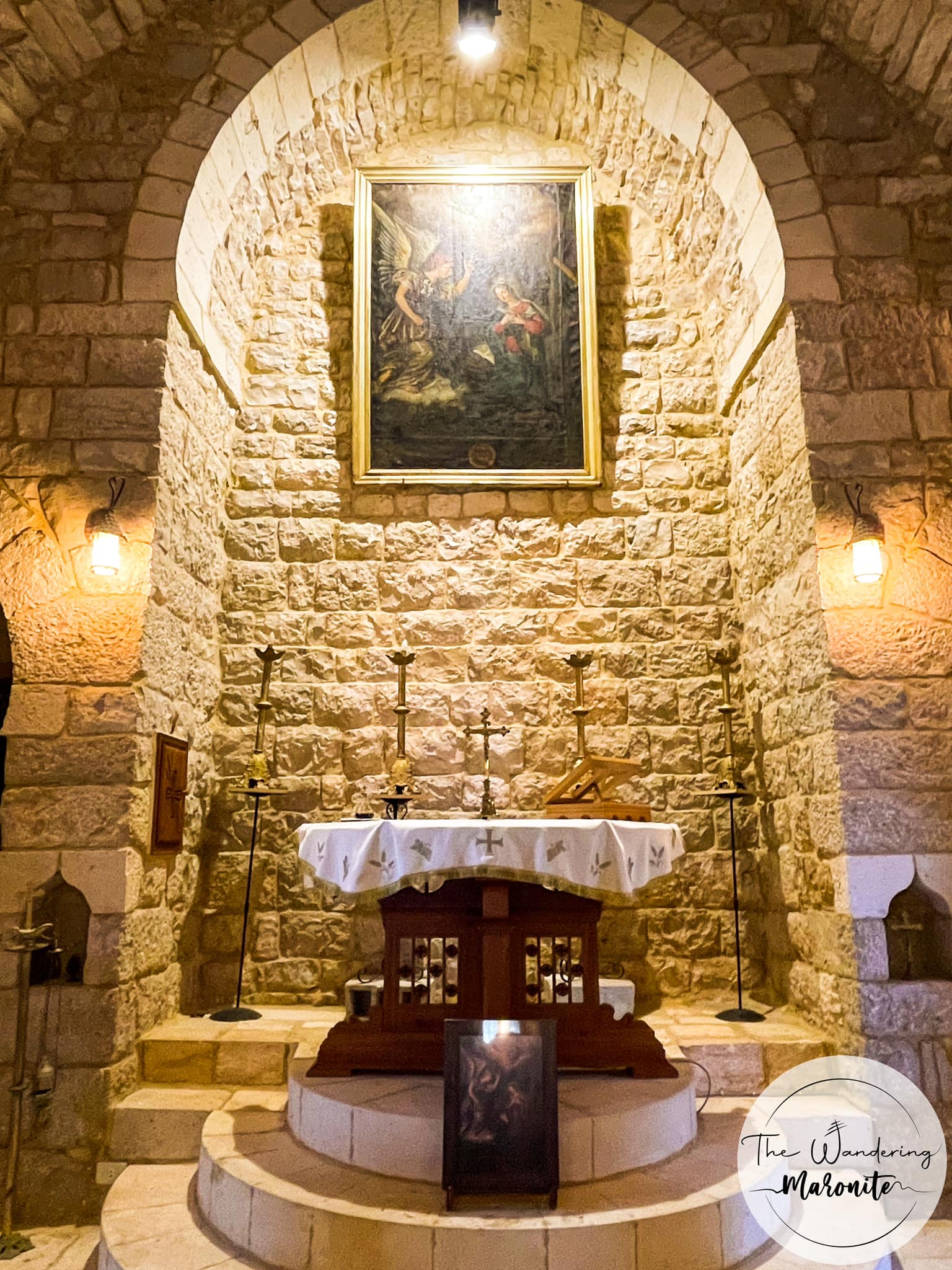
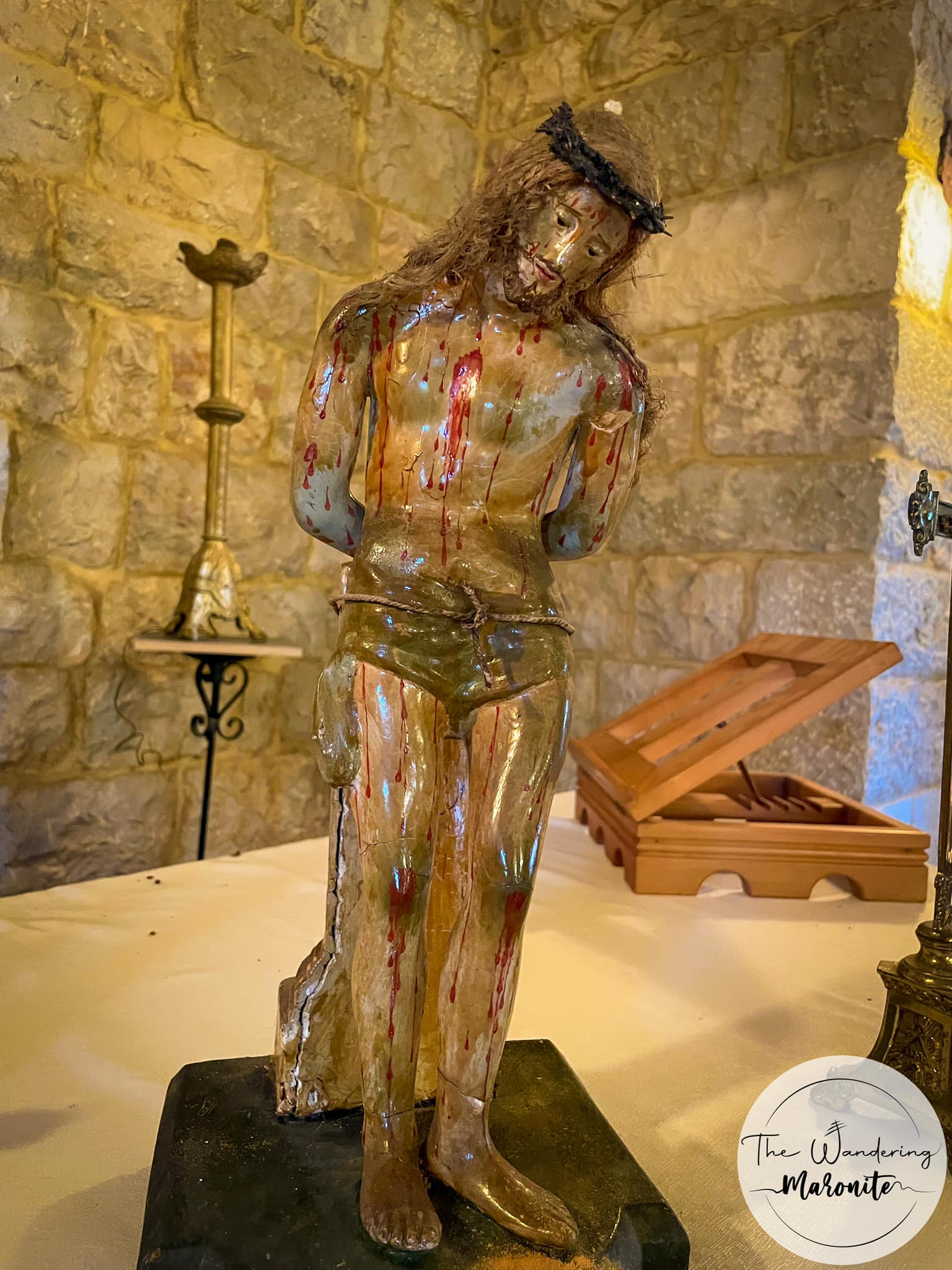
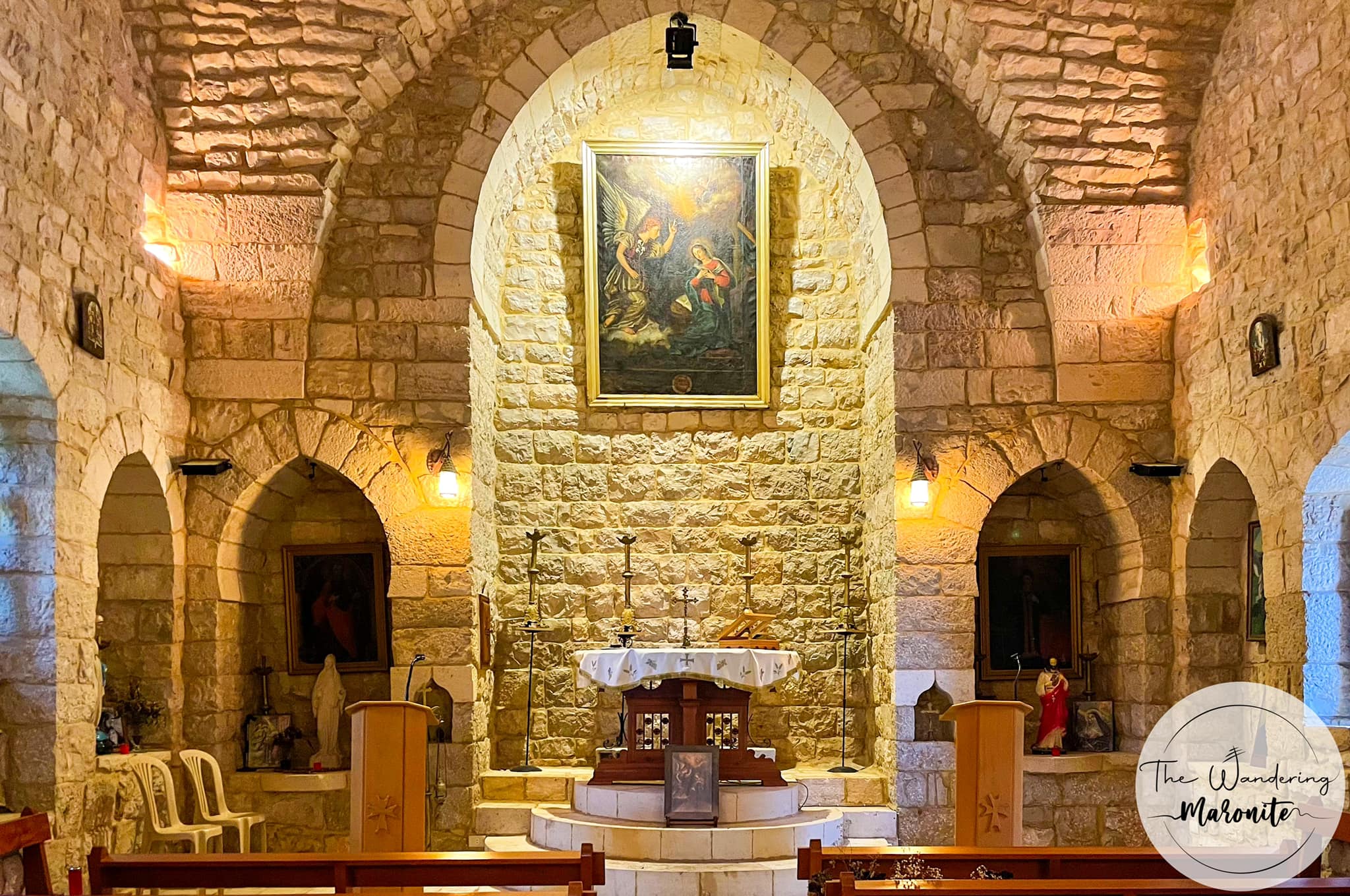
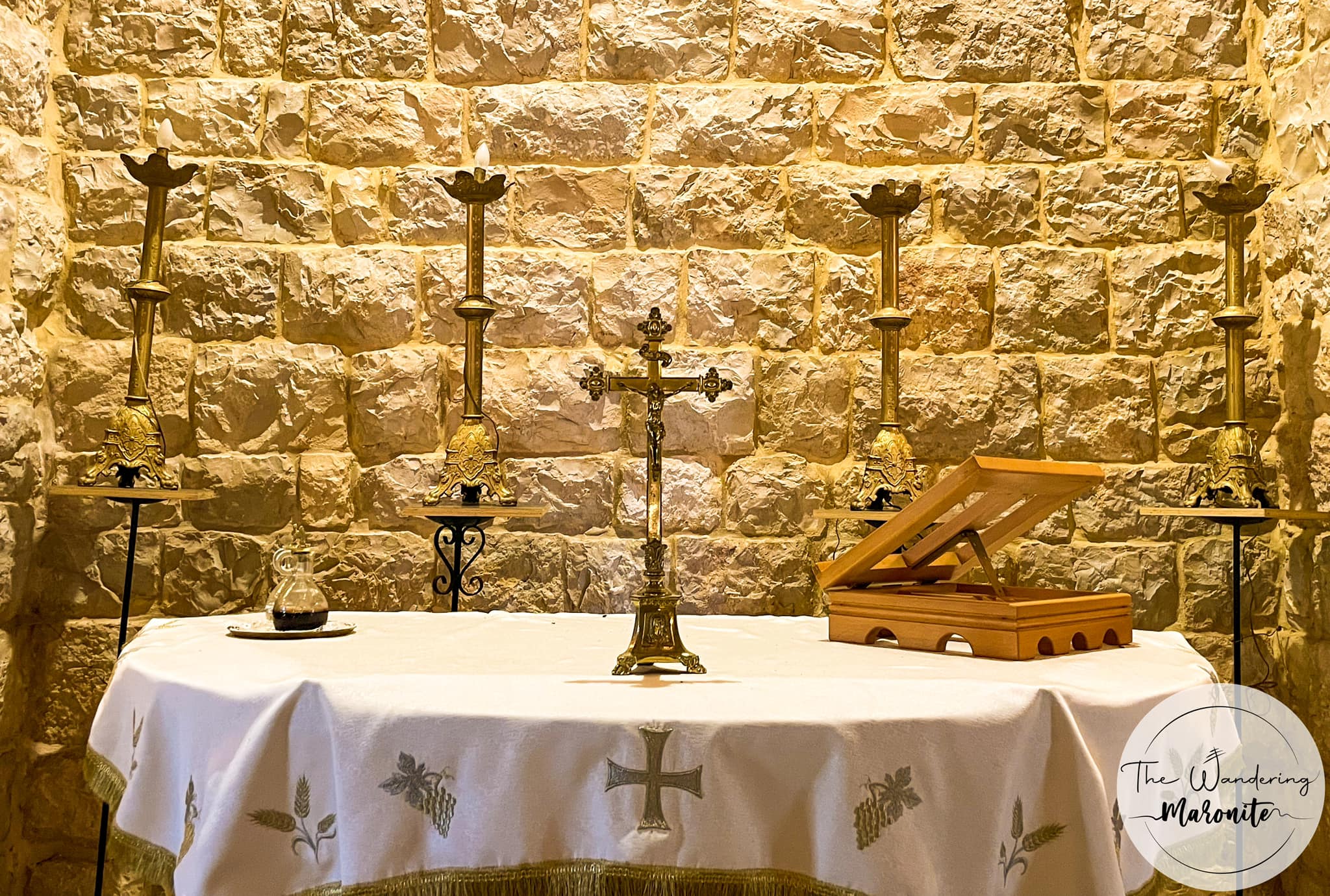
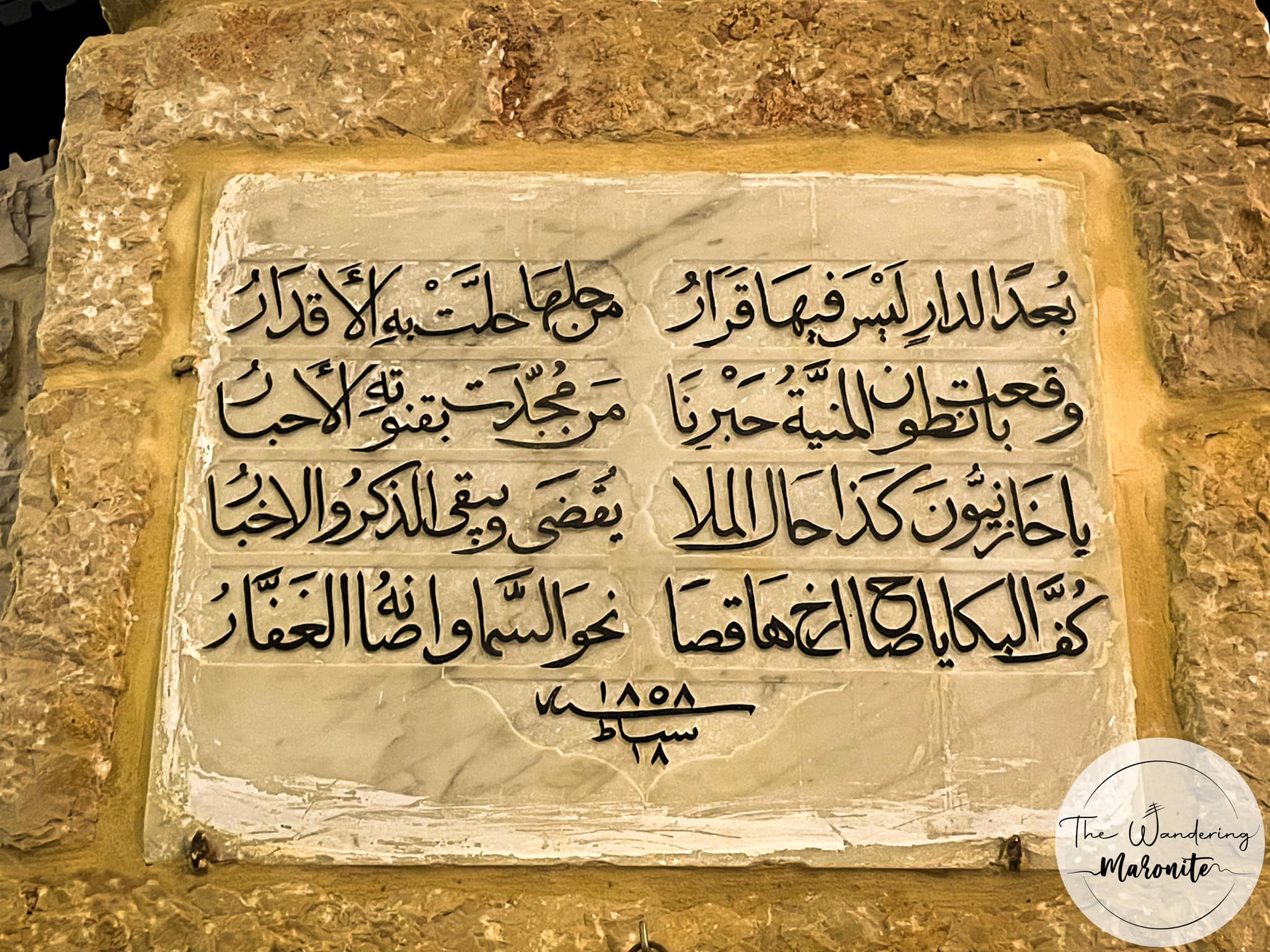
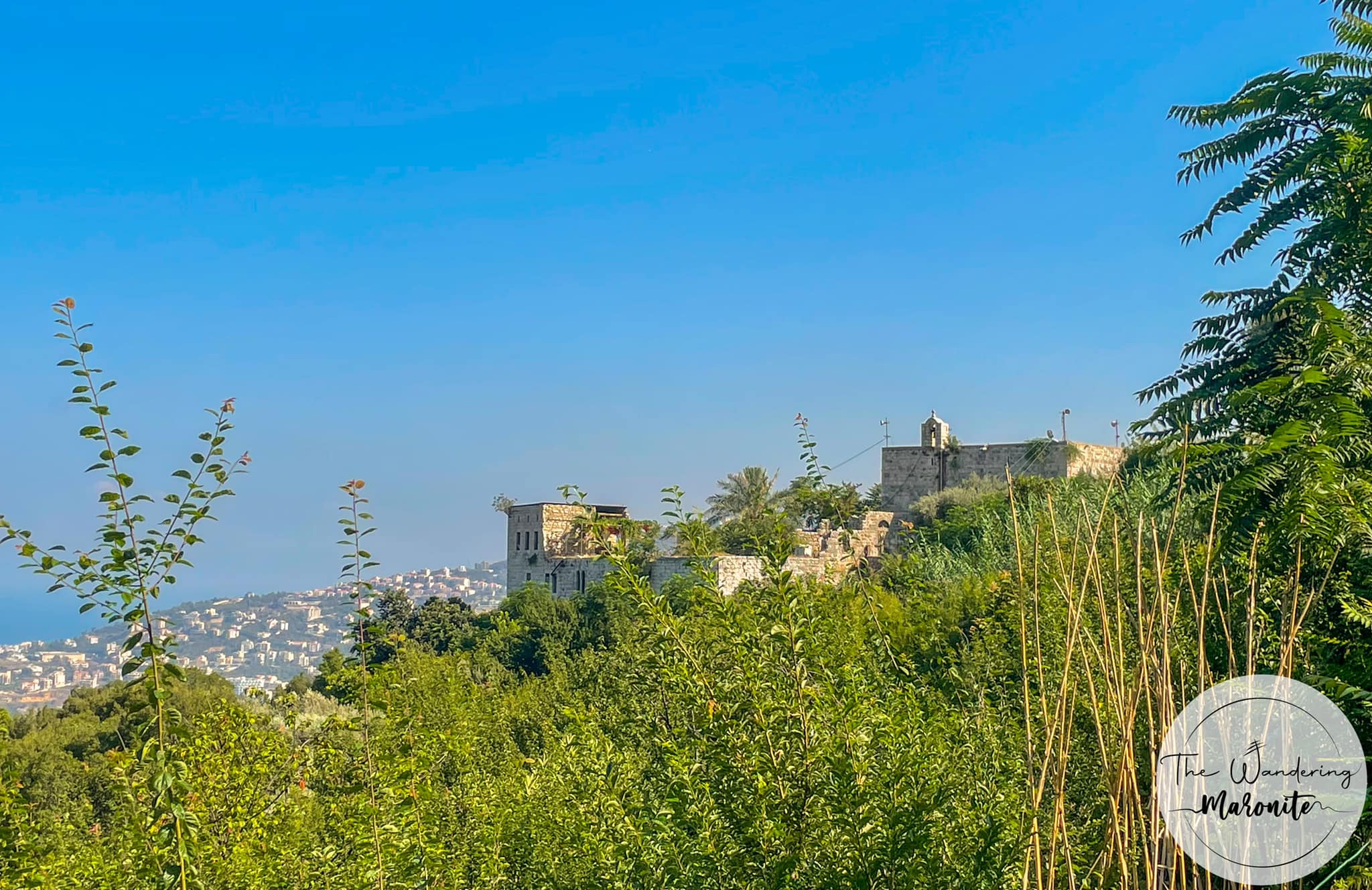
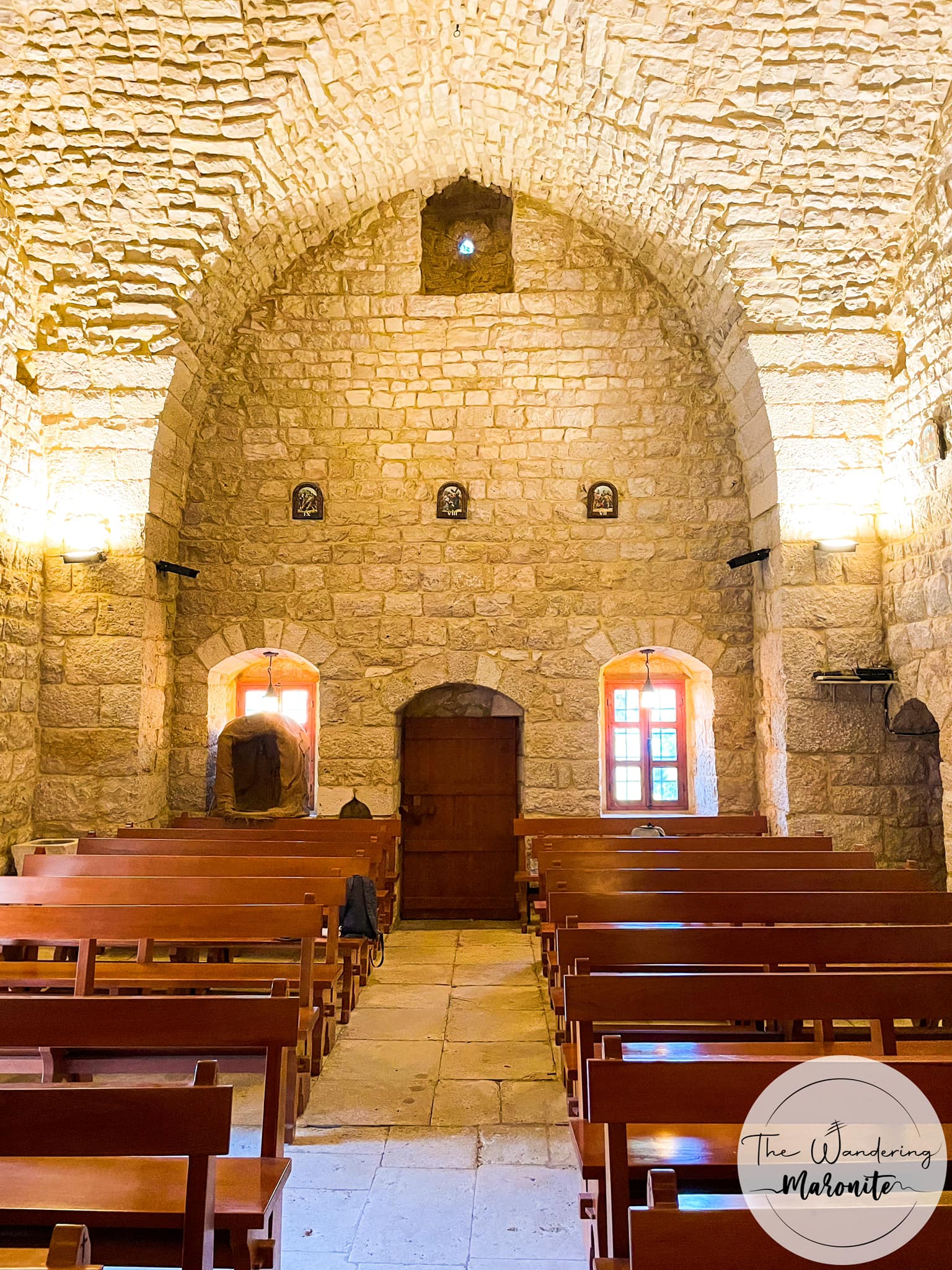
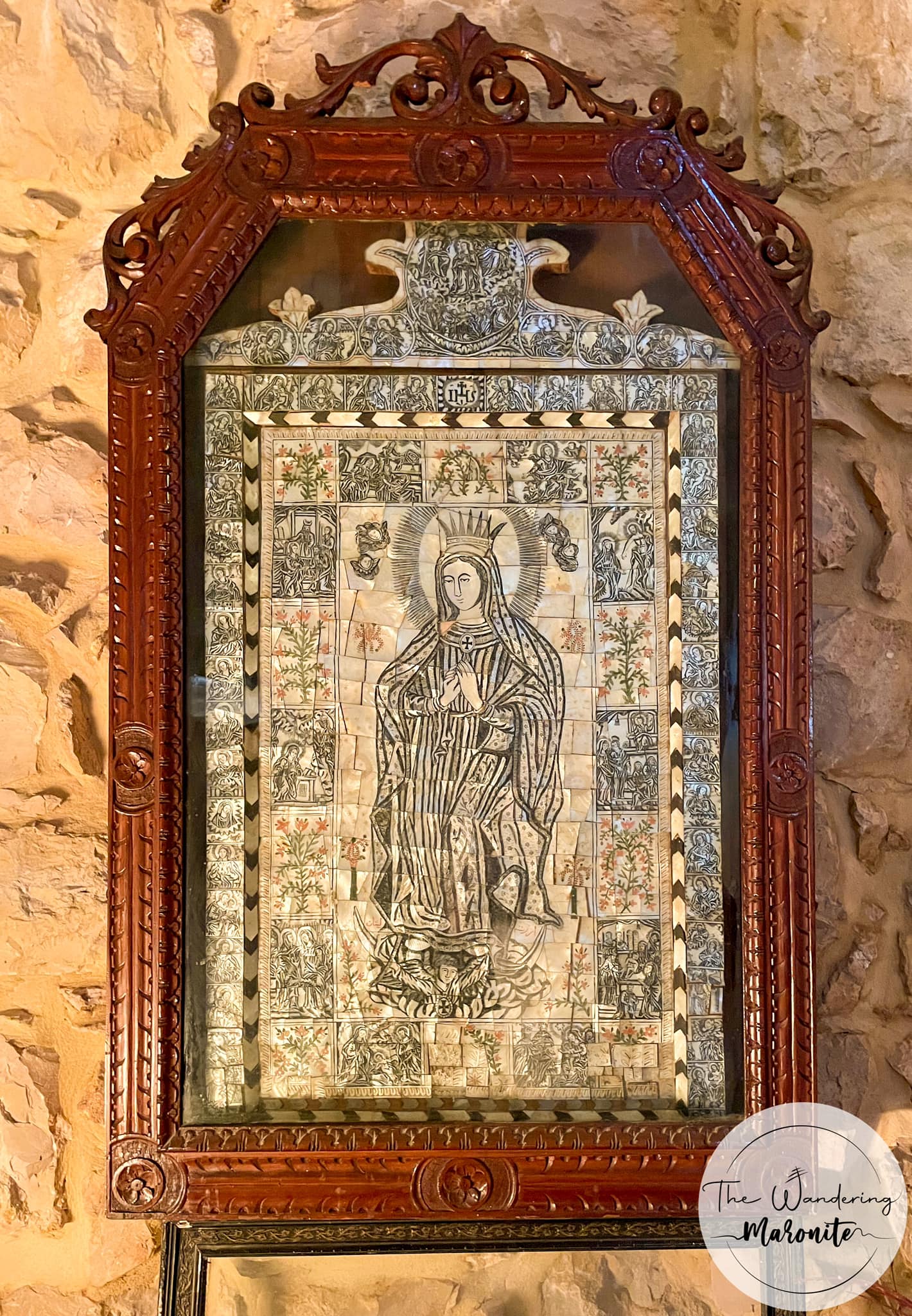
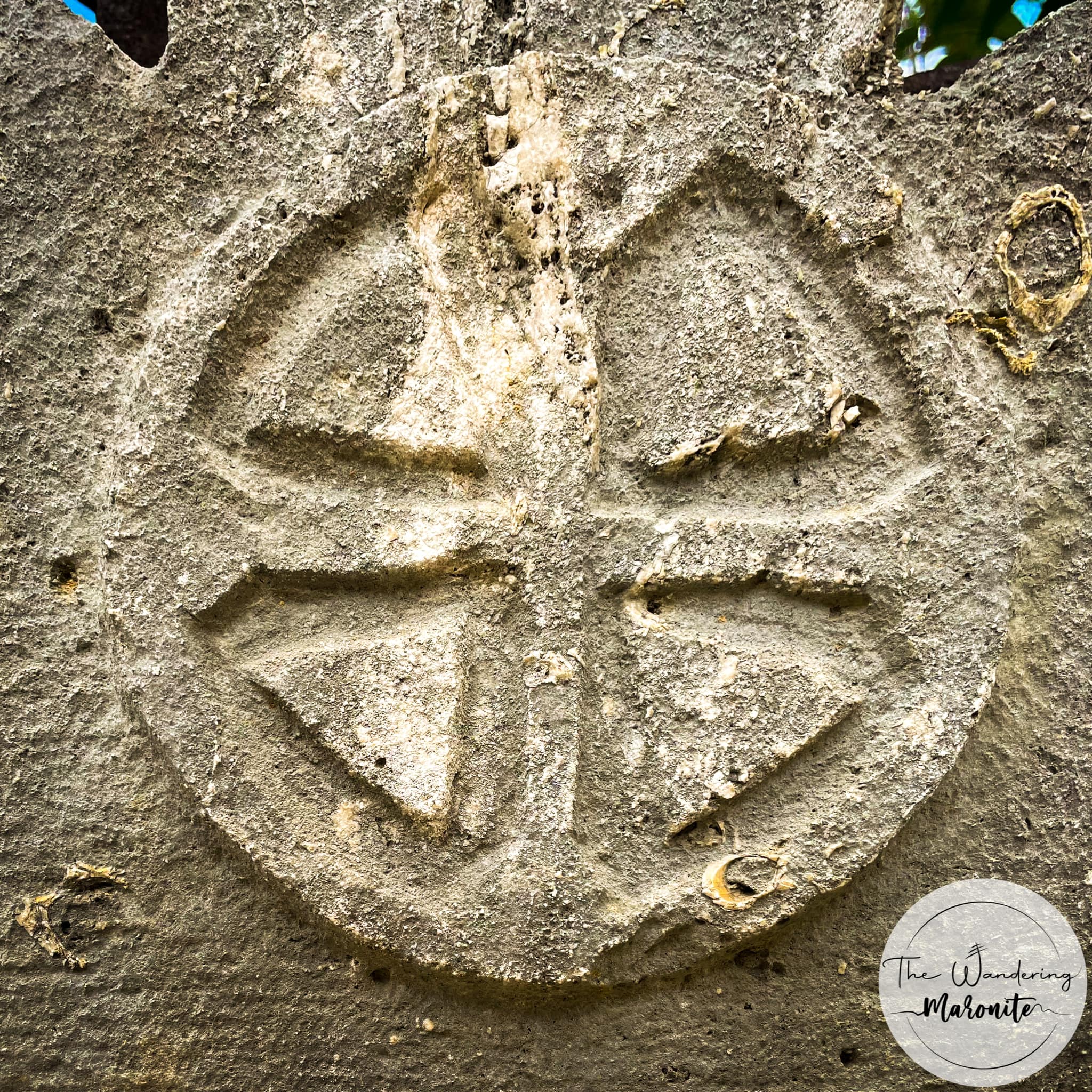
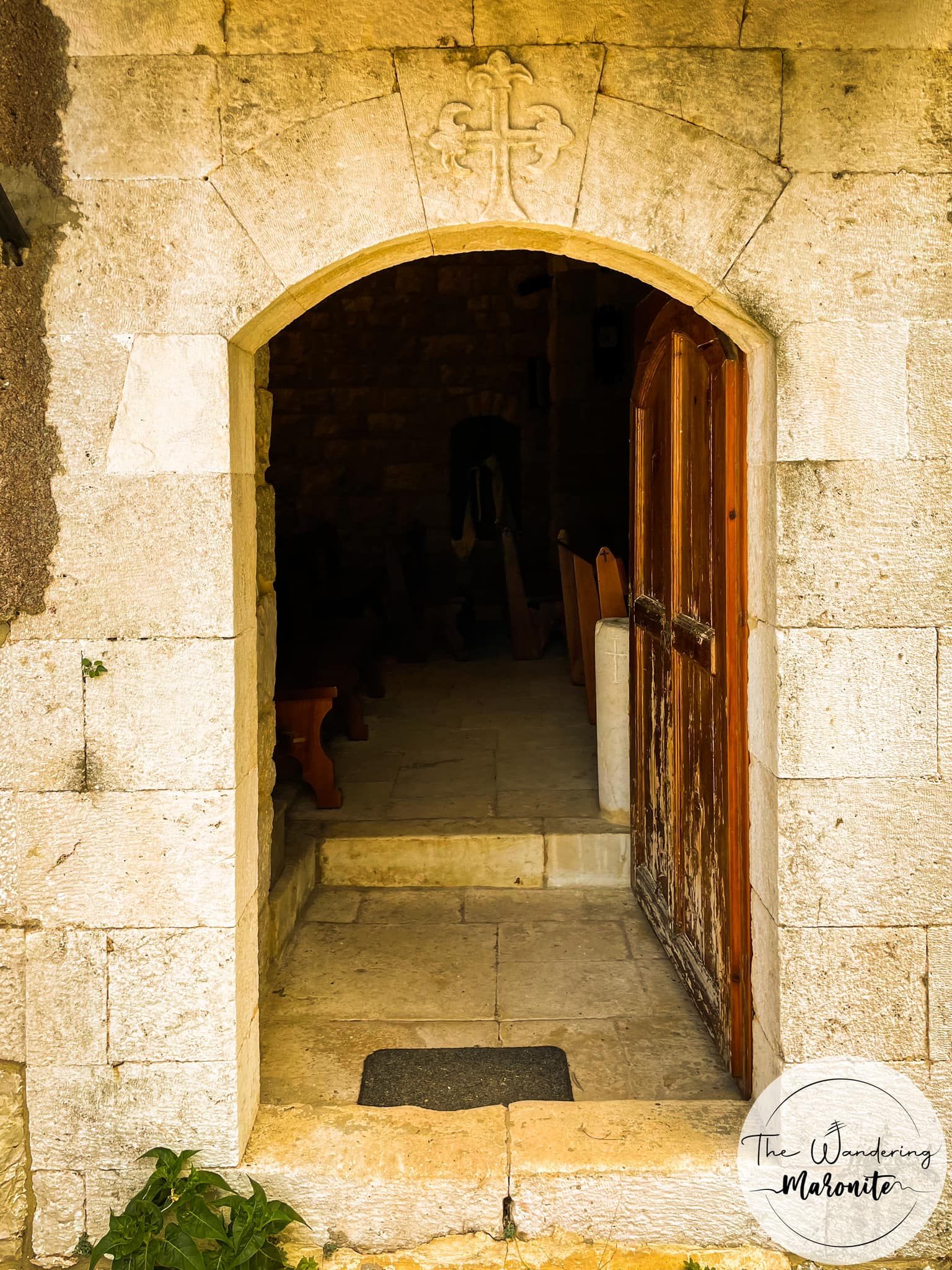
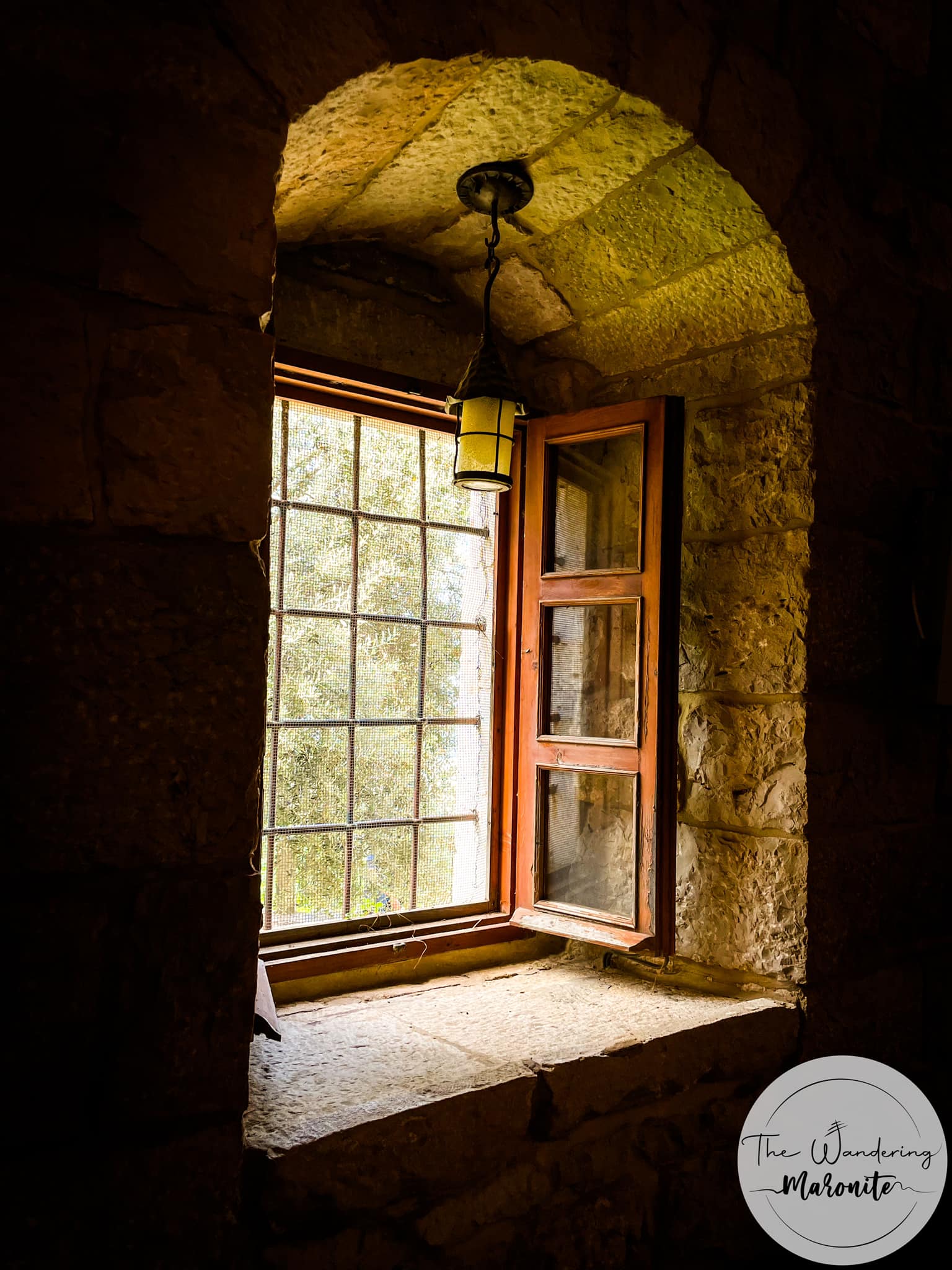
دير سيّدة البشارة بقلوش - ساحل علما يَعود إنشاء الدّير الى العام ١٧٨٠، يوم أوقَفَ الشَيخ ميلان ضِرغام الخازن، كُلَّ ما يَملُكَه لإنشاء دير تمّ بناؤه سنة ١٧٨٣. إتَخَذَه المُطران أنطون الخازن، مقراً لأبرَشيَّة بَعلبك. عام ١٨١٨، خُصِّصَ الدّير للراهِبات المُحَصَّنات، من جُملة الأديرة السِتّة التي خُصِّصَت للنِساء، ضِمن مُقَرَّرات مَجمَع اللويزة. وبَعدَ إنحِسار الدَعَوات النِسائية، هُجِرَ الدّير، وتَداعَت أبنيته، ولم يَبقَ مِنه إلا كَنيسته المَعقودة، التي ما زالت قائمة لتاريخه. تحوي الكنيسة لوحة صفدٍ مقدسيّة وبعض الأيقونات المحلية ولوحة البشارة، مع صلبوت (مجسّم للمصلوب) لرتبة السجدة. تضمّ الكنيسة مدفن المثلث الرحمات المطران أنطون نوفل حصن الخازن. The Monastery of the Annunciation Baqloush - Sahel Alma The construction of the monastery began in 1780 when Sheikh Milan Dergham el Khazen gave his possessions to build a monastery that was completed in 1783. Bishop Antoun el Khazen made it the episcopal residence of the bishops of Baalbeck. In 1818 the monastery was made one of the six nunneries for the contemplative maronite nuns by decree of the council of Louaizeh. The monastery fell into ruins after the nuns left, and only the church remained. The vaulted church holds a mother of peral inlayed icon with an agonizing crucifix, local icons and the painting of the Annunciation. The church also holds the sarcophagus of bishop Antoun Naufal el Khazen.

Visited 5757 times, 4 Visits today

Reviews are disabled, but trackbacks and pingbacks are open.

Related Listings

Ghazir – The Maronite Patriarchal Seminary

Maronite Patriarchal Seminary - Ghazir, Ghazir, Lebanon

الإكليريكيّة البطريركيّة المارونيّة

Ghazir

Keserwan

Mount Lebanon

الإكليريكيّة البطريركيّة المارونيّة - غزير

بنى أمراء آل شهاب قصرًا لهم في غزير مع بداية القرن التاسع عشر ما لبث أن باعه الأمير عبدالله شهاب للآباء اليسوعيّين سنة ١٨٤٣ لتأسيس مدرسة إكليريكيّة. سنة ١٨٨١ بنيت كنيسة مار يوسف الكبيرة. سنة ١٩١٤ طرد العثمانيّون الرهبان من الدّير، ليعودوا بعد الحرب ويؤسسوا ميتمًا في رحابه. سنة ١٩٣٤ أصبح الدّير إكليريكيّة بإدارة اليسوعيّين. اشترى الدّير أخيرًا البطريرك أنطونيوس خريش سنة ١٩٧٦، ليصبح شرعًا مبنى الإكليريكيّة البطريركيّة المارونيّة. عدّل بناء الدّير عدّة مرّات وأضيف عليه عدّة مبانٍ على مراحل. يحوي العديد من الأجنحة ويحوي إضافةً لكنيسته الكبرى اربعة كنائس: مار مارون شفيع الإكليريكيّة، البشارة، مار شربل، والقدّيسة رفقا التي خدمت في الدّير ردحًا من الزمن.

The Maronite Patriarchal Seminary - Ghazir

In the early XIXth century the Chehaby princes of Ghazir built a palace that prince Abdallah Chehab sold to the Jesuits in 1843, to build a seminary. In 1881 the grand church was built and dedicated to St Joseph. In 1914 the Ottomans occupied the seminary, it was reopened at the end of the war as a foster home. In 1934 the Jesuits reopened the seminary. In 1976 Patriarch Khoreiche bought the building from the Jesuits to house the Maronite Patriarchal Seminary. The building was renovated and repurposed many times. It holds many wings, the church of St Joseph, and four other chapels: St Maroun the patron of the seminary, St Charbel, The Annunciation, St Rafqa who served as a nun in Ghazir during her lifetime.

Aqoura – The church of Sts Peter and Paul

Saint Peter and Paul, Aaqoura, Lebanon

كنيسة مار بطرس وبولس

Aaqoura

Jbeil

Mount Lebanon

كنيسة مار بطرس وبولس - العاقورة

الكنيسة عبارة عن مغارة كانت مدفنًا لكهنة أدونيس وتحوي عدّة نواويس، وثلاث اعمدة تنضح الماء كانت قديمًا لنذور العواقر. وثّق المغارة العالم إرنست رينان والمفوّضيّة السّامية الفرنسيّة، لكنّ العديد من معالم المدفن خرّبت جرّاء البحث عن الطمائر. على الجدار الشرقيّ داخل الكنيسة كتابة منقوشة باللغة السريانيّة وهي مختلفة من حيث الاسلوب، لأنّها منقوشةٌ بشكلٍ عاموديٍّ وليس افقياً. وقد فسّر علماء الآثار هذه الظاهرة أنّه في القرن السابع للميلاد زمن الامويّين ذهبت بعثات نسطوريّة الى الصين. وهذا ما يفسّر الاسلوب العامودي في الكتابة الآراميّة المنقوشة، فهؤلاء تأثروا بالكتابة الصينيّة العاموديّة كالكتابات السريانيّة في شيان التي تعود للحقبة نفسها. رمّم المذبح سنة ١٨٩٥، والواجهة الأماميّة سنة ١٩٥٢.

The church of Sts Peter and Paul - Aqoura

The church was a funerary cave for the priests of Adonis, it holds many sarcophaguses and three columns that pour water. The cave was studied by Ernest Renan and the archeologists of the French high commissariat. The church holds a VIIth century Syriac calligraphy that is distinct since it was written vertically, which relates to the Nestorian monks who went to missions during the Umayyad era and reached China. There they were influenced by the mandarin calligraphy and began writing Syriac in this manner. The stella of Xian uses the same type of writing and dates back to that era. The church was plundered by tomb raiders, the high altar was restored in 1895, and the entrance in 1952.

Ehden – The church of Our Lady of the Fort

Saydet el Hosn - Lady of the Fortress سيدة الحصن, Ehden, Lebanon

كنيسة سيّدة الحصن

Ehden

Zgharta

North

كنيسة سيّدة الحصن - إهدن

في القرن السادس بنى الجراجمة الذين استوطنوا إهدن حصنًا على تلّةٍ مشرفةٍ على المدينة، على أنقاض هيكلٍ وثنيّ لِعَنَات إبنة إيل. جُعل الحصن كنيسةً على اسم العذراء مريم. سنة ١٢٨٣ خرّب المماليك الحصن، فأعاد الإهدنيّون بناؤه بعد ثلاث سنوات. البناء كناية عن عقدٍ سريريّ ينتهي بحنية، رمّم عدّة مرّات عبر تاريخه الطويل. الكنيسة تُعدّ مزارًا ومكان حَجٍّ يقصده المؤمنون للتبرّك. سنة ١٩٨٩ بنيت الكنيسة الجديدة.

The church of Our Lady of the Fort - Ehden

During the VIth century the Mardaites that came to Ehden built a fort with a small church over the ruins of an old pagan temple dedicated to Anaat daughter of Il. The church was dedicated to the Virgin Mary. In 1283 during the Mamluky raid the fort was sabotaged and rebuilt by the people of Ehden after three years. The structure is a small crib vault ending with an apse, it was renovated many times during its history. The church is considered a pilgrimage site. In 1989 a new church was constructed near the old one.